Most wood-frame homes weren't built for today's standard
Seismic codes have changed more than once. A home that was fully compliant when it was built can still be significantly under-strength today — and from the outside, there's usually no way to tell.
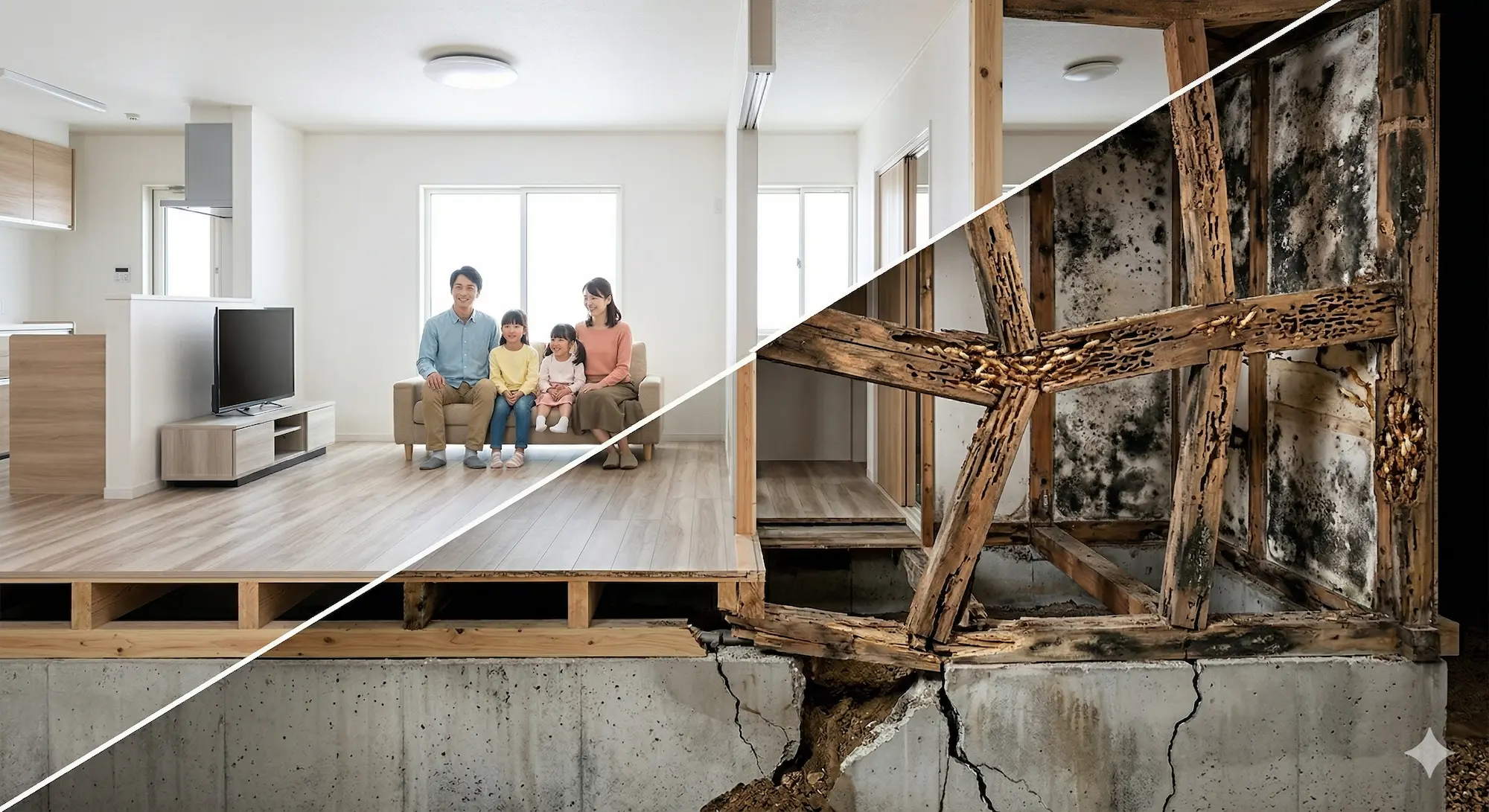
Over 90% of pre-2000 wood-frame homes fall short
Of roughly 30,000 wood-frame homes built before May 2000 that underwent a formal seismic diagnosis, more than 9 in 10 were found structurally insufficient — nearly three-quarters rated likely to collapse in a major earthquake.
What actually happens when the ground moves
Damage outcomes for wood-frame homes built to the old seismic standard, with and without reinforcement.
Source: post-earthquake structural surveys of old-standard wood-frame homes in the affected area.
573 homes reinforced. Zero collapses.
When the 2024 Noto Peninsula earthquake hit, every home reinforced with evoltz — our seismic-damping technology partner — stayed standing.
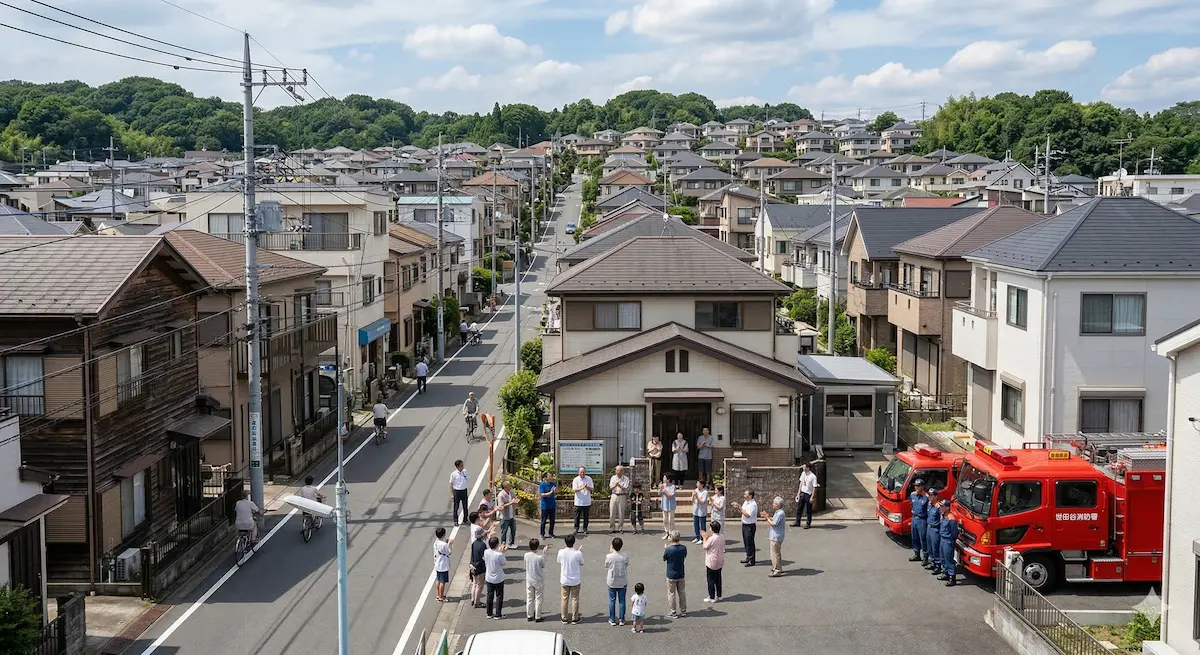
Built on automotive shock-absorber engineering
evoltz applies shock-absorber technology from the automotive industry to wood-frame homes. The devices are manufactured by BILSTEIN, a supplier known for precision damping components, under the same quality standards used in vehicle production.
evoltz has worked exclusively on seismic damping since 2008 — engineering earthquake protection has been the whole business for close to two decades, not a side offering.

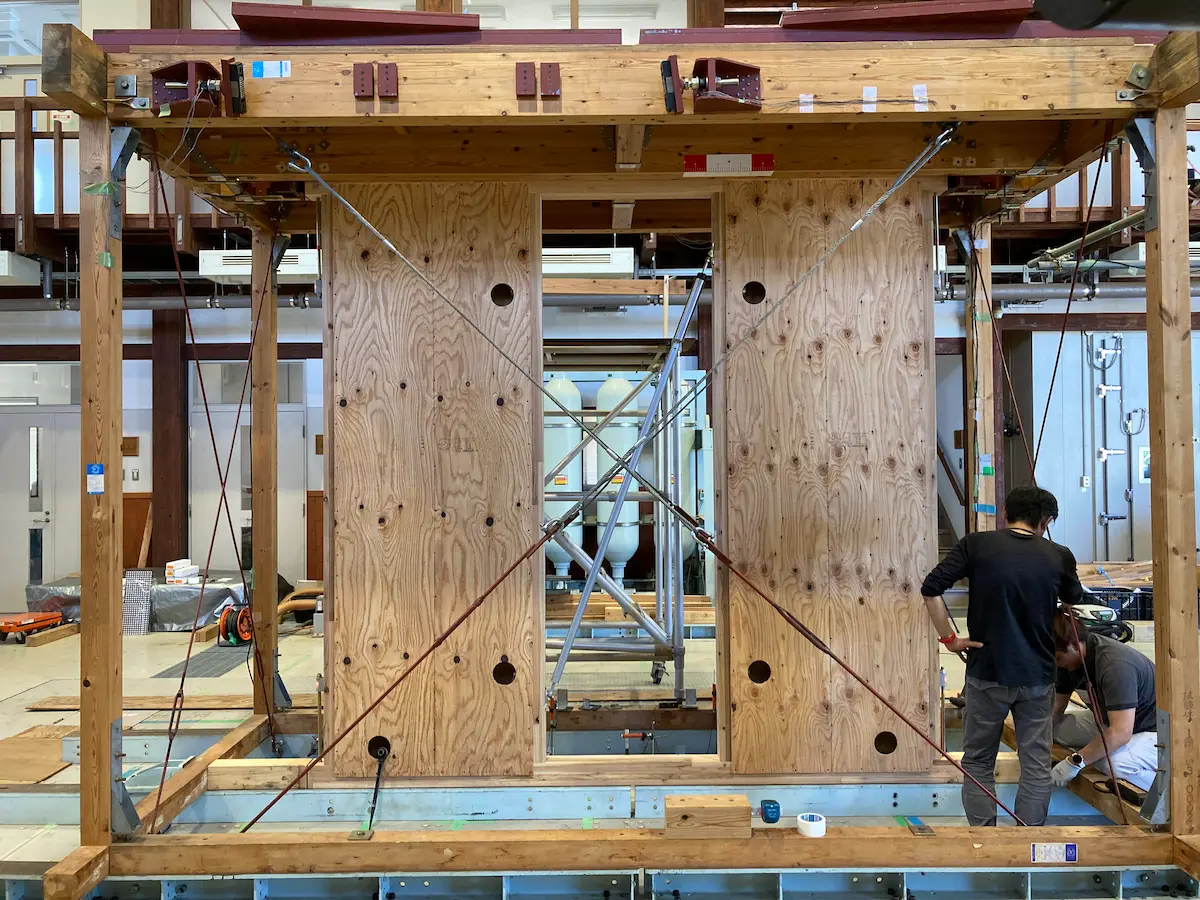
Full-scale structural testing — evoltz reinforcement under simulated seismic load.
Coming soon
Find out where your home stands
A site survey and seismic diagnosis is the only way to know for certain. Our reinforcement uses the same evoltz technology behind these results.